
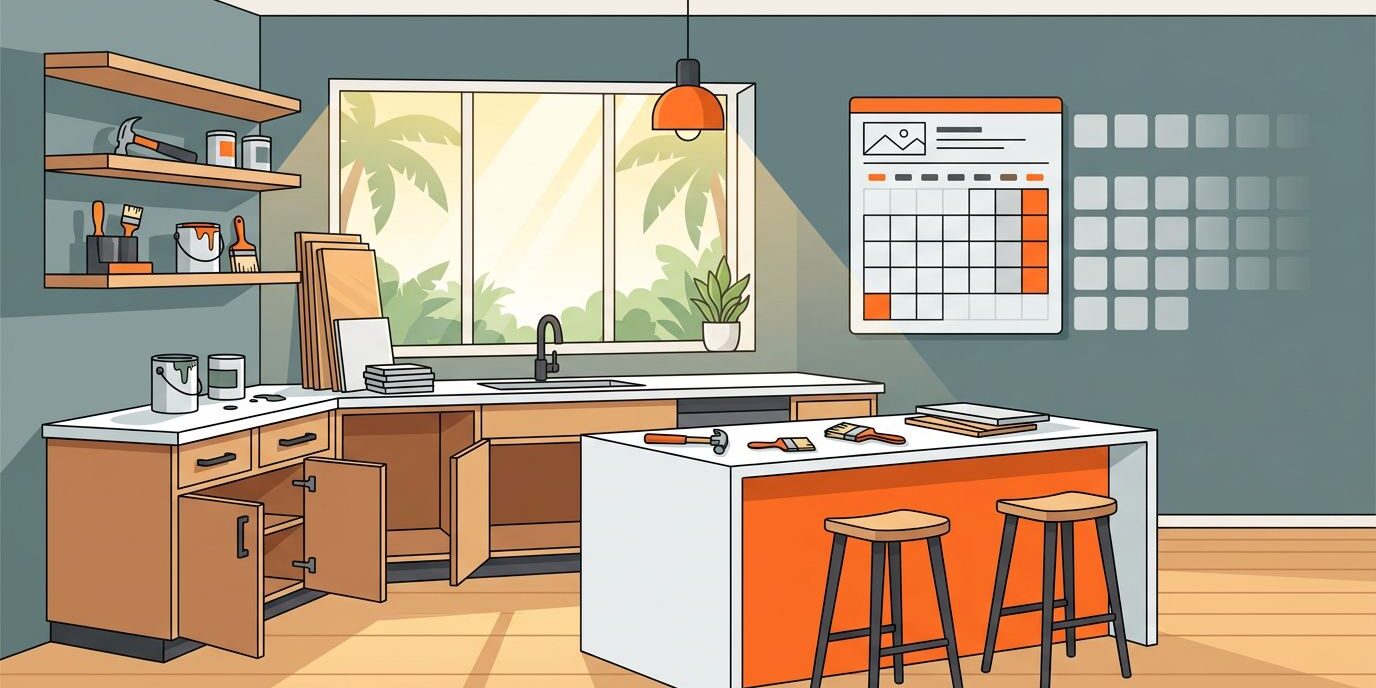
A kitchen remodel often feels straightforward until the calendar starts fighting back. When one delay turns into three, you might suddenly find your coffee maker living in the garage for weeks on end. Taking on a significant home improvement project in this region requires patience and foresight.
For Southwest Florida homeowners, a realistic kitchen remodel timeline is usually longer than the construction phase itself. Design choices, HOA reviews, local permitting processes, cabinet lead times, and the potential impact of storm season can all stretch the schedule before the first cabinet is even removed. Understanding the nuances of a kitchen renovation in this climate is essential to setting the right expectations and managing your home life while the work progresses. Here is what the process usually looks like and where the extra weeks tend to hide.
Key Takeaways
- Understand the Timeline: A typical kitchen remodel in Southwest Florida takes 10 to 14 weeks, with the actual construction phase usually spanning 6 to 10 weeks.
- Planning is Critical: Delays often stem from the pre-construction phase; finalizing your layout, appliance choices, and material selections before starting is the best way to prevent schedule slips.
- Account for Local Variables: Factor in regional challenges like HOA/condo board requirements, seasonal contractor demand, and storm season weather, which can impact deliveries and labor availability.
- Manage Dependencies: Remodeling is a sequential process; custom items like countertops cannot be templated until base cabinets are leveled, making early ordering and clear communication essential to keeping the project on track.
What a realistic kitchen remodel timeline looks like
Most homeowners focus on the demolition phase when they think about timing, but that is only a fraction of the process. In Southwest Florida, a reasonable full timeline for a kitchen renovation is often 10 to 14 weeks total, while the active construction phase commonly runs 6 to 10 weeks.
Smaller cosmetic updates can wrap up in 3 to 5 weeks. A full gut job, or a project that involves moving plumbing, walls, or gas lines, can take 14 weeks and sometimes 20 or more. This is not the result of poor planning, but rather the reality of a project that involves inspections, fabrication, and specific product lead times.
Here is the quick version:
| Phase | Typical time | What happens |
|---|---|---|
| Design and selections | 2 to 4 weeks | Layout, cabinet style, countertops, appliances, lighting |
| HOA and permits | 1 to 4+ weeks | Approval packages, permit review, revisions |
| Material ordering | 4 to 12 weeks | Factoring in material lead times for cabinets, tile, and fixtures |
| Construction | 6 to 10 weeks | Demo, rough trades, inspections, install, and finishes |
| Punch list and final touch-ups | 1 to 2 weeks | Adjustments, paint fixes, and final checks |
The important thing to know is that some of these steps overlap, and some do not. You can order plumbing fixtures while permit paperwork moves along, but you cannot template countertops until base cabinets are installed and level. One piece moves fast, while another must wait its turn.
This stop and start rhythm is why your kitchen remodel timeline can feel slower than it actually is. A kitchen is not built like a straight line; it is built like a relay race.
The planning phase takes longer than most people think
If you want your kitchen remodel to move smoothly, investing time in the planning and design phase is critical for success. Measurements need to be precise, and appliance specifications must match your cabinet openings perfectly. Electrical plans should also reflect your current lifestyle needs rather than the layout from several owners ago.
This is also where many homeowners lose time by making decisions twice. You might start with a design consultation to weigh your options, but changing styles mid-stream creates delays. For example, switching from Shaker to flat-panel kitchen cabinets, or debating between quartz and granite, can derail your schedule. Keep in mind that a simple sink change affects the cabinet base and plumbing rough-in, which inevitably impacts your overall project budget. Small edits can eat up an entire week without much notice.
If you are still pulling your vision together, this helpful kitchen remodel checklist can help you sort the order of decisions before work begins.

Southwest Florida adds a few local wrinkles here. Many communities require HOA approval before work starts, even for interior changes. Condo buildings often ask for contractor documents, insurance certificates, work-hour limits, elevator reservations, and specific debris rules. Miss one form, and the calendar slips.
Material lead times matter just as much. Stock cabinets may arrive fairly quickly, but custom cabinetry often takes 8 to 12 weeks, and some specialty finishes take longer. Appliances can also hold things up, especially panel-ready units, built-in refrigeration, or brands with limited regional stock.
Want the short version? Nail down your layout, finishes, appliance list, and paperwork before demo day. When the pre-construction phase is loose, the whole schedule stays loose.
Once demolition starts, the work moves in layers
The demolition phase is the most dramatic part of the process. It is loud and dusty, often moving fast enough to make you feel like the entire project will be finished in no time. Then, the hidden issues emerge. Perhaps old plumbing is not where the plans indicated, or you discover unexpected structural changes that need to be addressed. Maybe an outlet needs to be moved or a wall that looked perfect reveals moisture damage underneath. All of these surprises are a normal part of the process.
After demolition, the rough work begins. This includes rough-in plumbing, electrical work, HVAC adjustments, and sometimes gas line modifications. If your project requires permits, local inspections will typically follow before the walls are closed back up. From there, the team will move on to drywall, flooring, cabinet installation, and trim.
The most common surprise in a kitchen remodel timeline is the wait for your custom surfaces. Fabricators usually cannot create a template until the base cabinets are fully installed and leveled, which impacts your final countertop installation date.
That means your counters often arrive two to four weeks after templating rather than two to four weeks after demolition. Your backsplash installation, final sink hookups, lighting adjustments, and the placement of your new kitchen appliances all occur after the counters are set. Because these steps rely on one another, if your cabinets arrive late, the entire schedule can slide by several weeks rather than just a day or two.
Living through this stage takes a bit of preparation. Because your main food preparation area will be out of commission for more than a month, setting up a temporary kitchen is essential for your sanity. Creating a dedicated space with a microwave, toaster oven, coffee maker, and a folding table, along with a small zone for paper plates and basic groceries, will make the construction phase much more manageable.
Construction feels like the center of the project, but the success of these final steps still depends on the planning and sequence of everything that came before.
Southwest Florida delays that can stretch the calendar
Some delays are universal, but Southwest Florida has a few that are local and stubborn.
The first is seasonal demand. In Fort Myers, Naples, and nearby areas, contractor schedules often tighten when snowbird season ramps up and second-home owners start projects at the same time. If you wait until peak season to book trades, you may get the start date you do not want, rather than the one you had in mind.
The second is weather. Storm season runs from June through November, and even routine tropical weather can disrupt deliveries, inspections, and installation days. One heavy-weather week can mean a late cabinet truck, a rescheduled template appointment, or a crew shift because homes need storm prep.
Then there is the HOA or condo board factor. Some communities only review applications on set dates, while others require extensive building permits, extra contractor paperwork, or restrict noisy work to certain hours. In single-family neighborhoods, approval may be quick, but in condos, one missing page can turn into another two weeks of waiting.
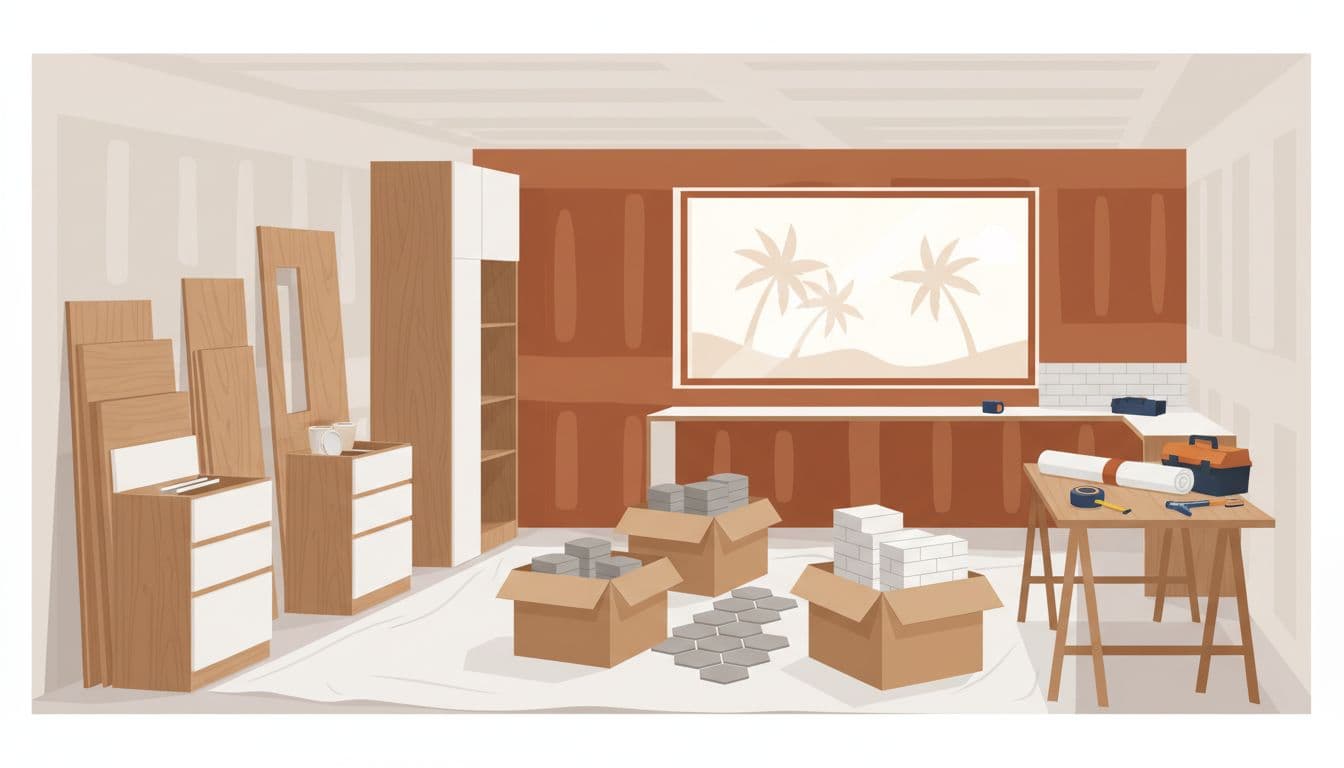
Cabinet deliveries and stone slabs can add their own drama. A finish gets back-ordered, or a slab arrives with damage. Even a small item like missing cabinet hardware can delay the installation of your kitchen cabinets, holding up the entire process. Remodeling has a domino effect, and kitchens have lots of small dominoes.
Working with a professional general contractor who knows the local permit offices, community rules, and supplier patterns can cut down on those avoidable slowdowns. Alternatively, partnering with a design-build team ensures that every phase is managed with local expertise, helping to minimize these common hurdles.
The goal is not a perfect schedule. It is a schedule with enough breathing room to handle real life in Southwest Florida.
How to keep the timeline from slipping
You can’t control everything, but you can keep a lot of problems from piling up.
A few habits make a real difference:
- Finalize your layout and scope of work before ordering anything.
- Pick appliances early, because cabinet sizes depend on them.
- Order long-lead items first, especially custom cabinets and specialty fixtures.
- Respond quickly when your contractor asks for approvals or product decisions.
- Avoid mid-project changes unless the existing plan truly isn’t workable.
Changing your mind isn’t free in a remodel. One swapped cabinet size can change countertop measurements, hardware placement, trim details, and install dates. That is why small changes rarely stay small.
It also helps to think ahead about daily life. If you work from home, ask when water, power, appliance hookups, or messy stages like flooring installation will impact your access to the space. If you live in a condo, ask about delivery windows and staging space. If you want a new look but haven’t settled on style, browsing modern kitchen renovation ideas before selections are due can keep decision fatigue from turning into schedule drift.
And give yourself buffer time. If you need the kitchen finished before guests arrive, don’t plan around the best-case date. Plan around the likely one. A remodel goes better when the calendar has a little mercy built into it.
Frequently Asked Questions
Why does the planning phase take so long?
The planning phase includes essential tasks like precise measurements, securing HOA or permit approvals, and ordering long-lead materials like custom cabinets. Rushing these steps often leads to mistakes or mid-project changes, which are the primary drivers of construction delays.
Can I live in my home during the remodel?
Yes, many homeowners live at home during the process, but it requires preparation. You should set up a temporary kitchen with basic appliances like a microwave and coffee maker to maintain your routine while the main kitchen is out of commission.
How do HOA and condo regulations impact my timeline?
These requirements can add several weeks to your timeline because they often involve specific documentation, insurance requirements, and restricted working hours. It is crucial to review your association’s guidelines early in the process to ensure all paperwork is approved before contractors begin work.
Why are custom countertops the last thing to go in?
Fabricators require your base cabinets to be fully installed and leveled before they can create a precise template for your stone slabs. This prevents gaps or fitment issues, meaning your countertops are typically one of the final major elements to be installed.
Final thoughts
A kitchen remodel does not usually run late because one big thing goes wrong. It slips because several small factors stack up, such as cabinetry logistics, permitting approvals, weather patterns, inspections, and last-minute changes.
That is why a reliable kitchen remodel timeline starts well before the first wall is demolished. When the design is finalized, all materials are secured, and local hurdles are accounted for, the project moves from chaos toward steady progress. By the time you reach the final walkthrough and complete the finishing touches like painting and cleaning, you will realize that careful preparation is the key to success. With a clear plan in place, your newly renovated space will be ready for you to enjoy for years to come.